
Optimal Timing for Tree Removals
Tree removal timing depends on several factors including the species, health, and local climate conditions. Proper timing ensures safety, minimizes environmental impact, and can help prevent unnecessary damage to surrounding landscapes.
Winter is often considered ideal for tree removal due to the dormancy period, which reduces stress on remaining vegetation and minimizes pest activity.
Spring and summer removals can be more challenging due to active growth and increased wildlife activity, but they may be necessary in emergency situations or for safety reasons.
Fall can be suitable for removals before winter dormancy begins, but weather conditions like rain and wind can complicate operations.
Removing hazardous or damaged trees promptly is crucial regardless of season to prevent accidents or property damage.
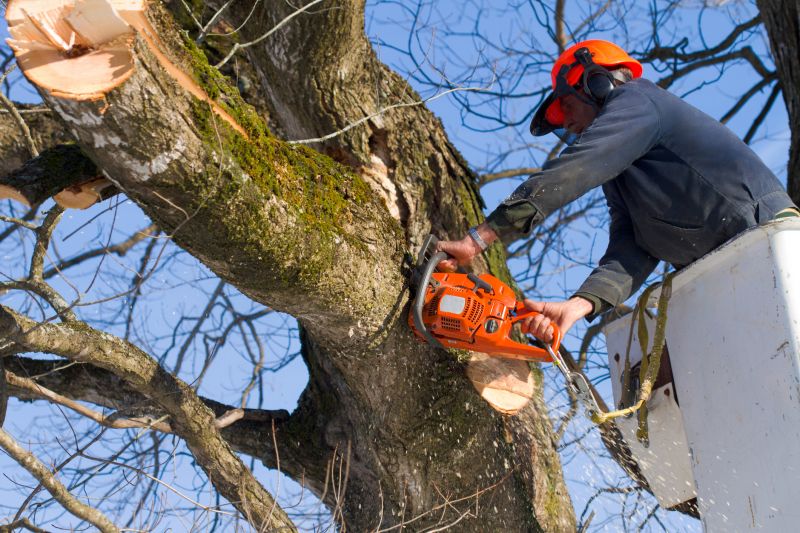
Tree being removed during winter with snow cover.
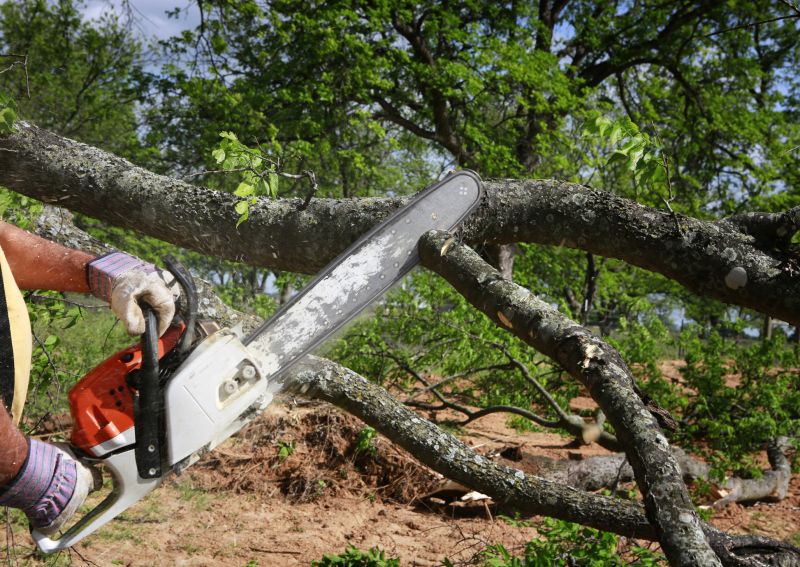
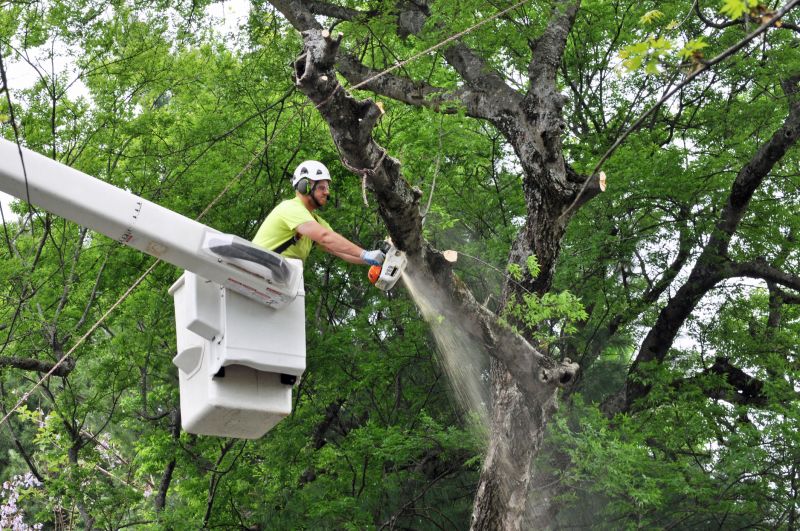
Tree removal in lush spring landscape.
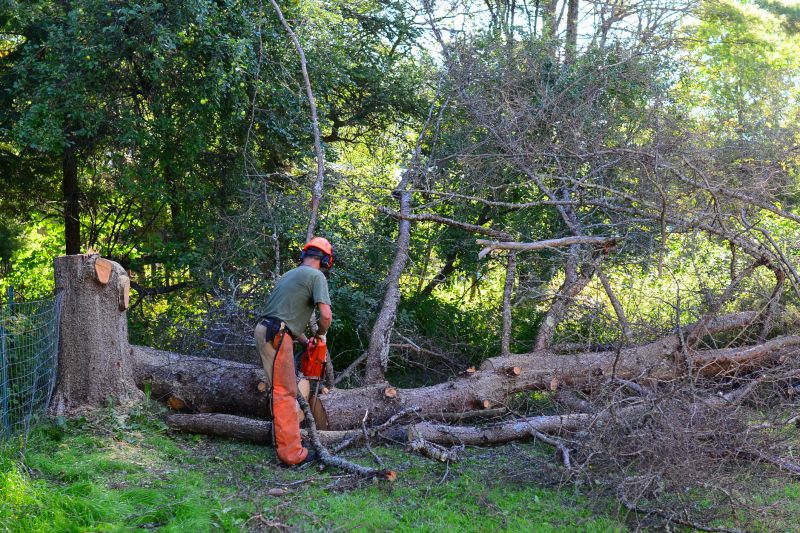
Tree removal amidst fall foliage.
Ways to make Tree Removals work in tight or awkward layouts.
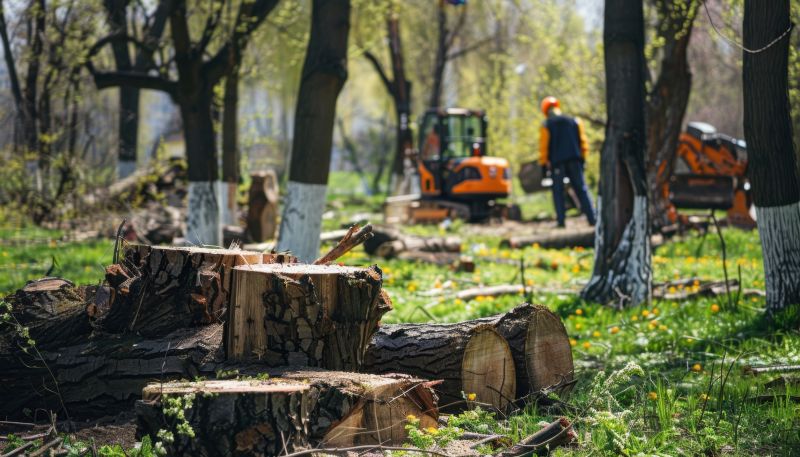
Popular materials for Tree Removals and why they hold up over time.
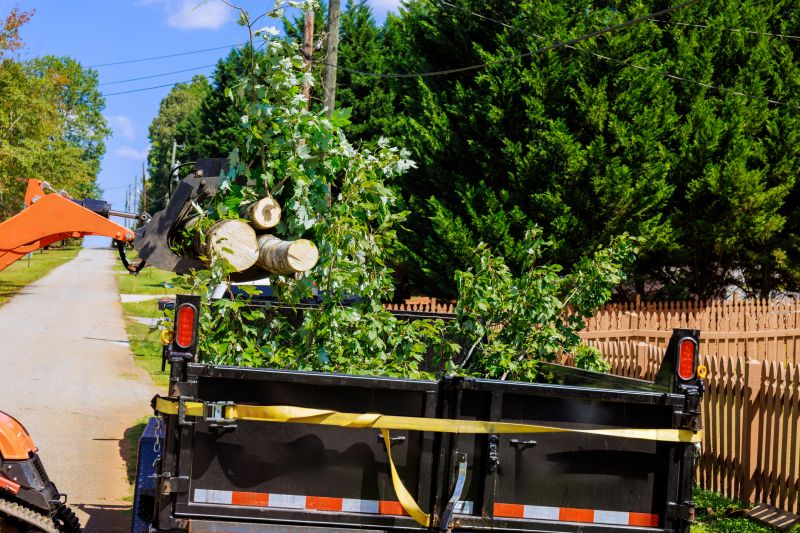
Simple add-ons that improve Tree Removals without blowing the budget.
| Season | Best Practices |
|---|---|
| Winter | Ideal for safety and minimal environmental impact. |
| Spring | Suitable for non-emergency removals; watch for wildlife activity. |
| Summer | Less preferred; active growth can complicate removal. |
| Autumn | Good before dormancy; weather can be a factor. |
| Emergency | Any season if safety is at risk. |
Tree removals are a key part of landscape management, addressing hazards and maintaining property safety. Proper timing can reduce stress on remaining trees, improve landscape aesthetics, and prevent damage caused by falling branches or unstable trees. Statistically, trees removed during dormancy periods tend to recover better, with fewer ecological impacts and lower risk of pest infestation. Seasonal considerations also influence the ease and safety of removal operations, making timing an important factor for property owners and professionals alike.
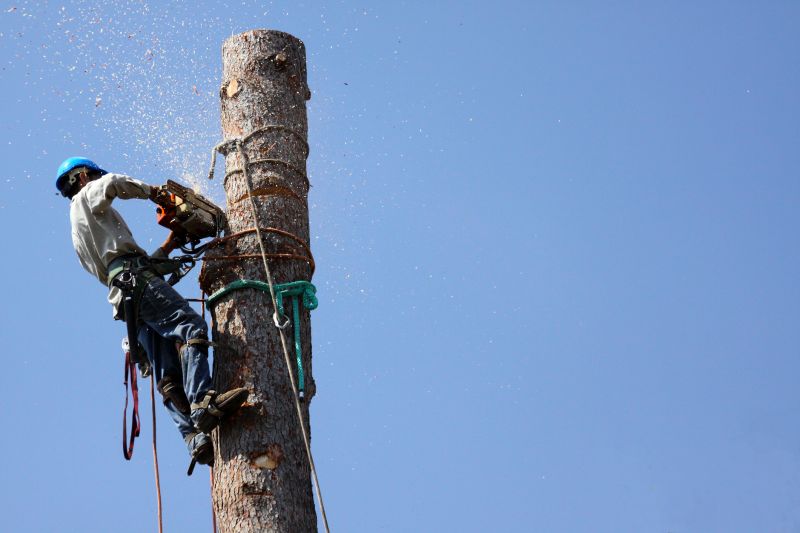
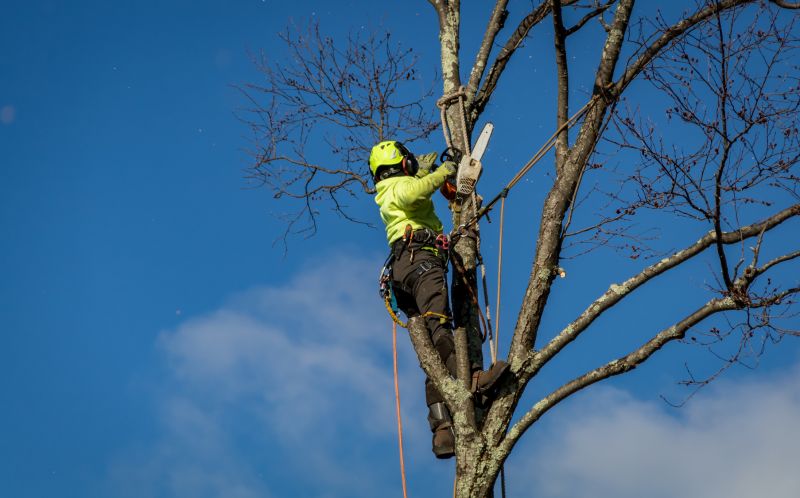
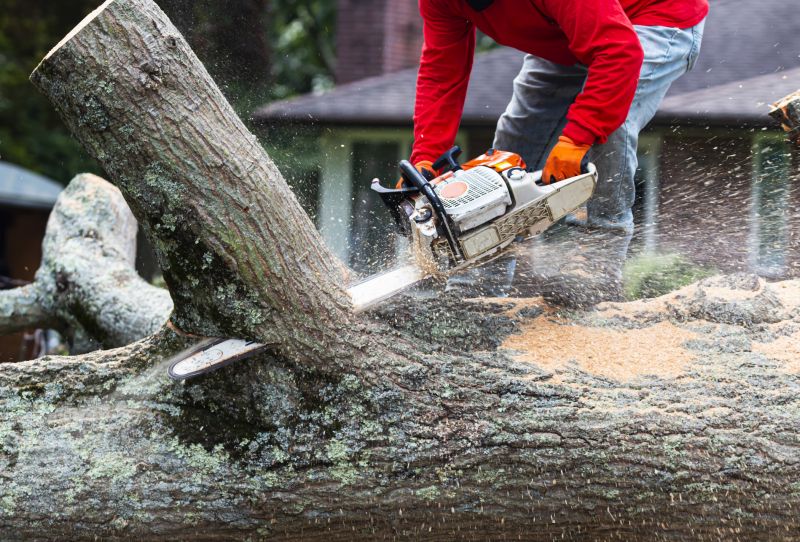
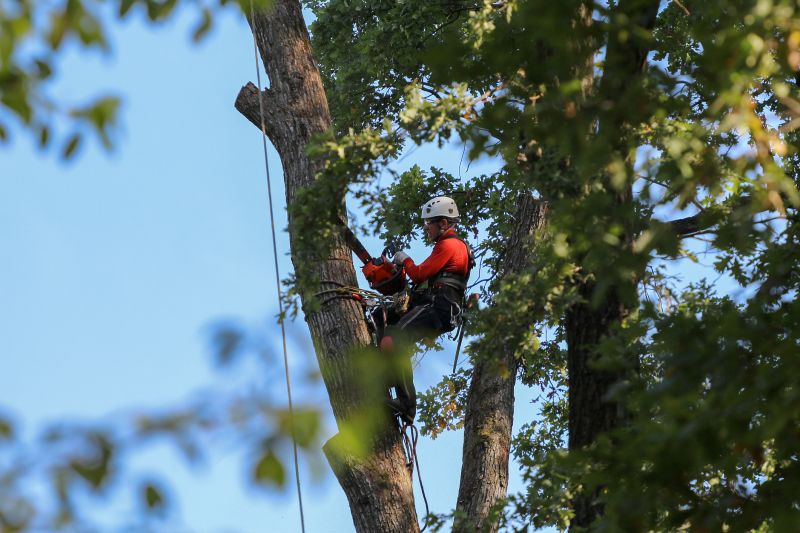
Chainsaws and cranes in action during tree removal.
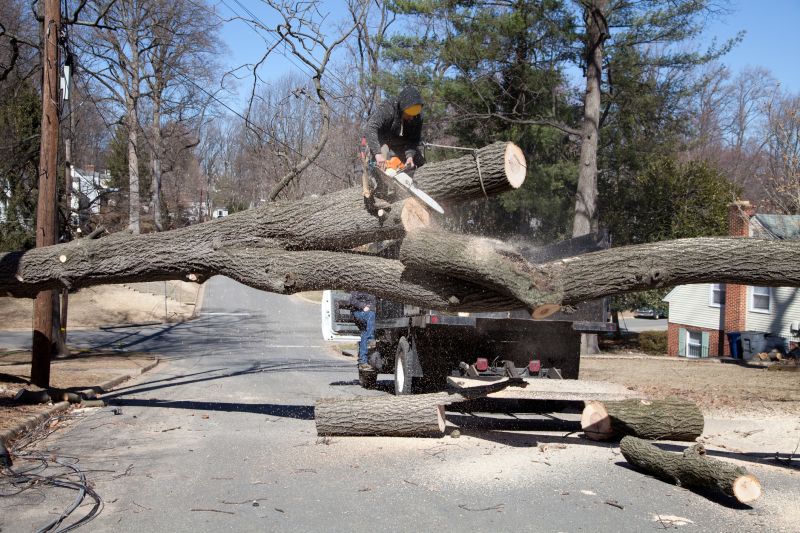
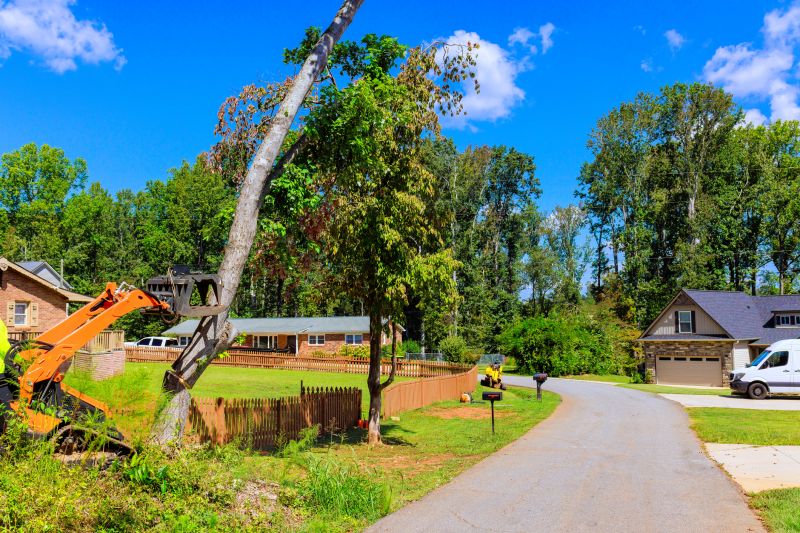
Removing a damaged tree near a property.
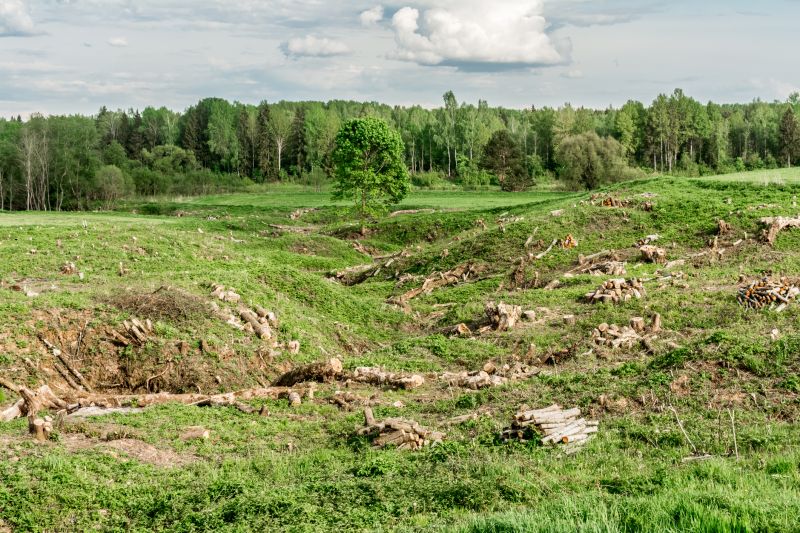
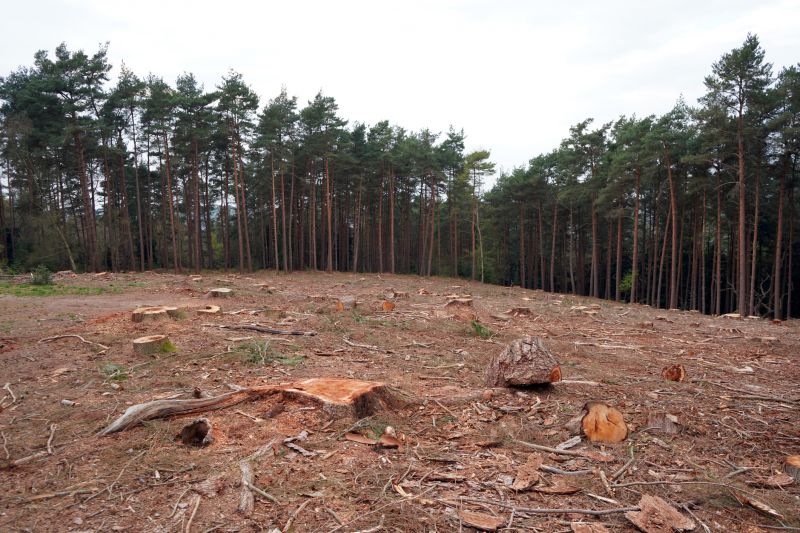
Cleared area post tree removal.
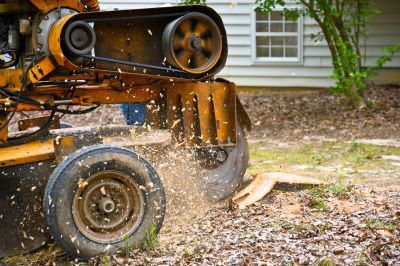
Stump grinding process after removal.
High-end options that actually feel worth it for Tree Removals.
Finishes and colors that play nicely with Tree Removals.

Little measurements that prevent headaches on Tree Removals day.
A 60-second routine that keeps Tree Removals looking new.
A frequent mistake in Tree Removals and how to dodge it.
Small tweaks to make Tree Removals safer and easier to use.
Lower-waste or water-saving choices for Tree Removals.
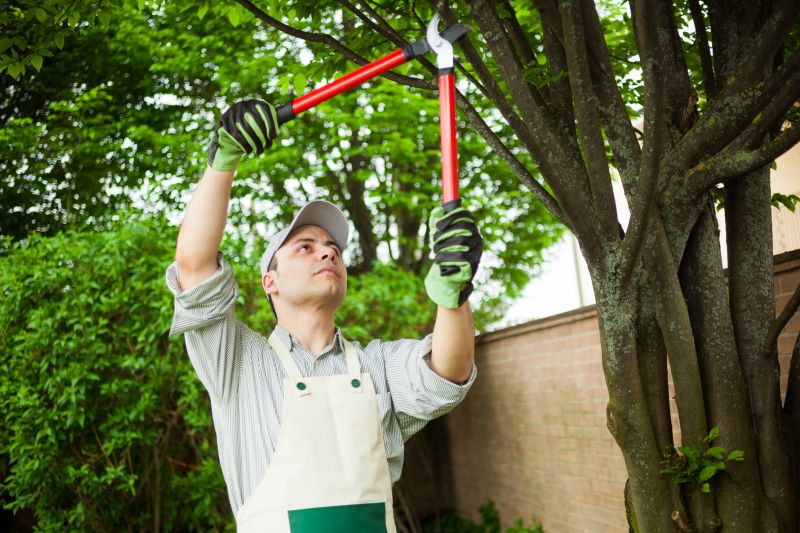
The short, realistic tool list for quality Tree Removals.
Interested in scheduling a tree removal? Filling out the contact form provides an opportunity to discuss specific needs, assess the site, and determine the optimal timing for the removal process. Proper timing and professional execution are essential for maintaining landscape safety and health.